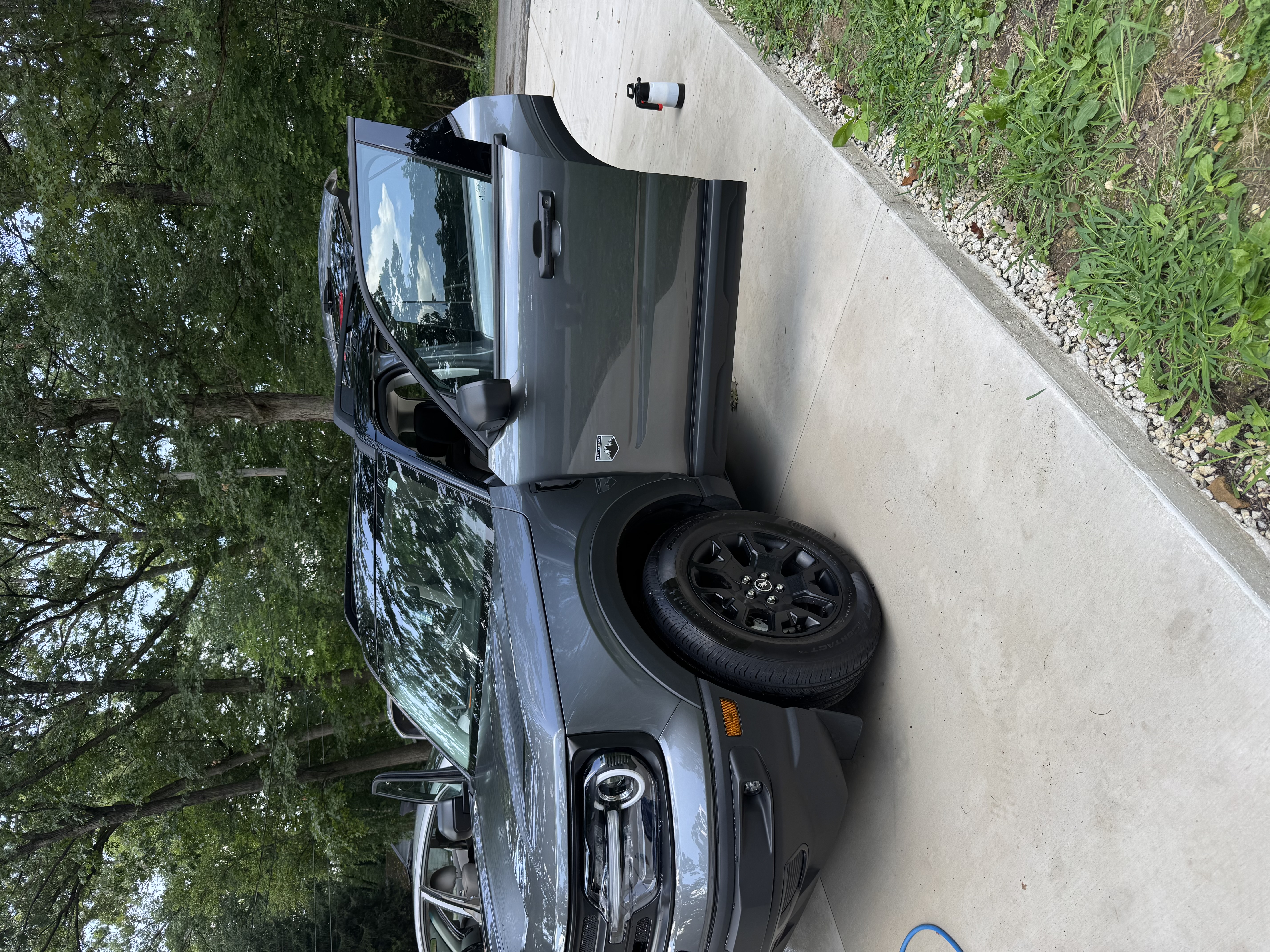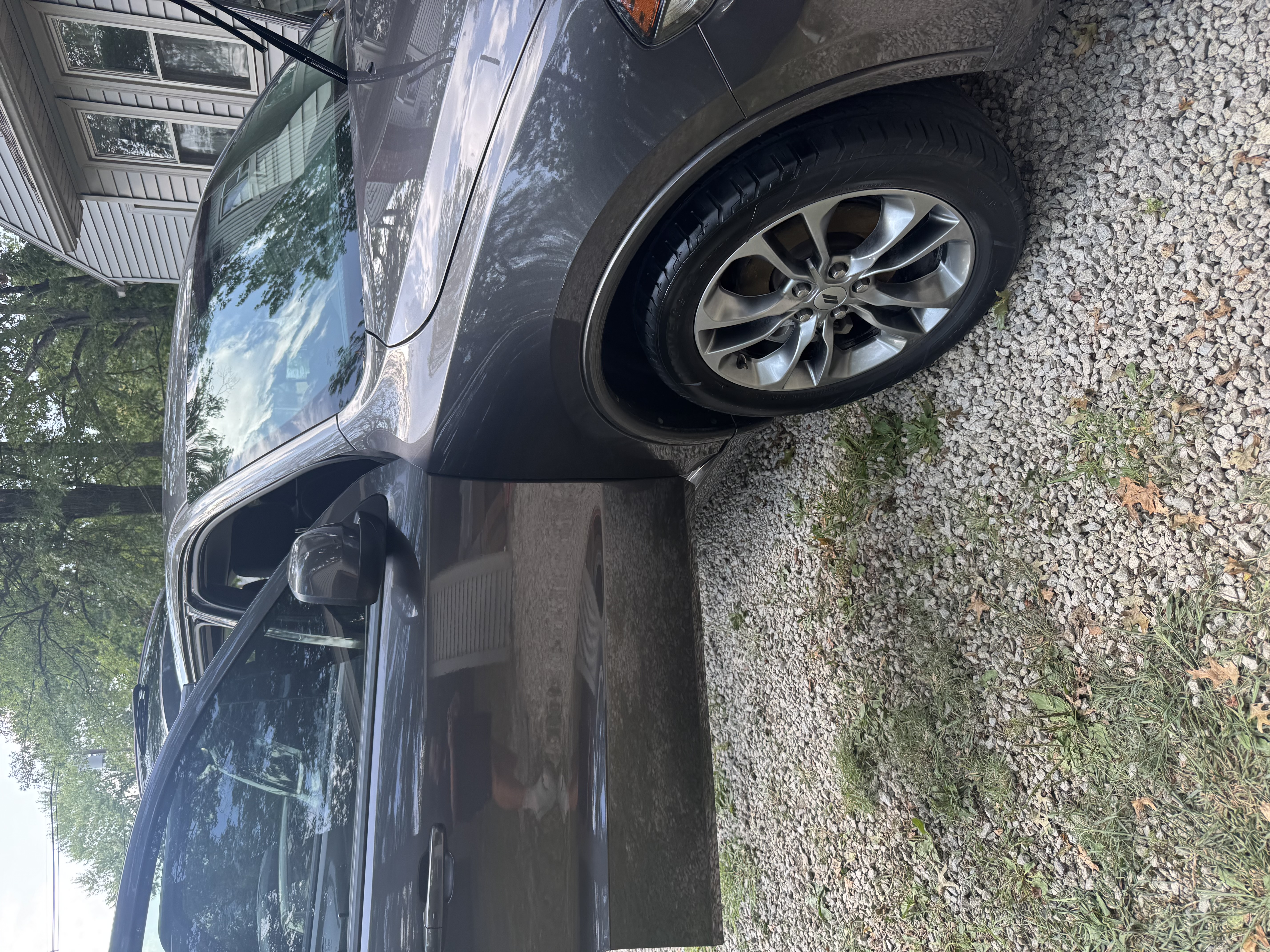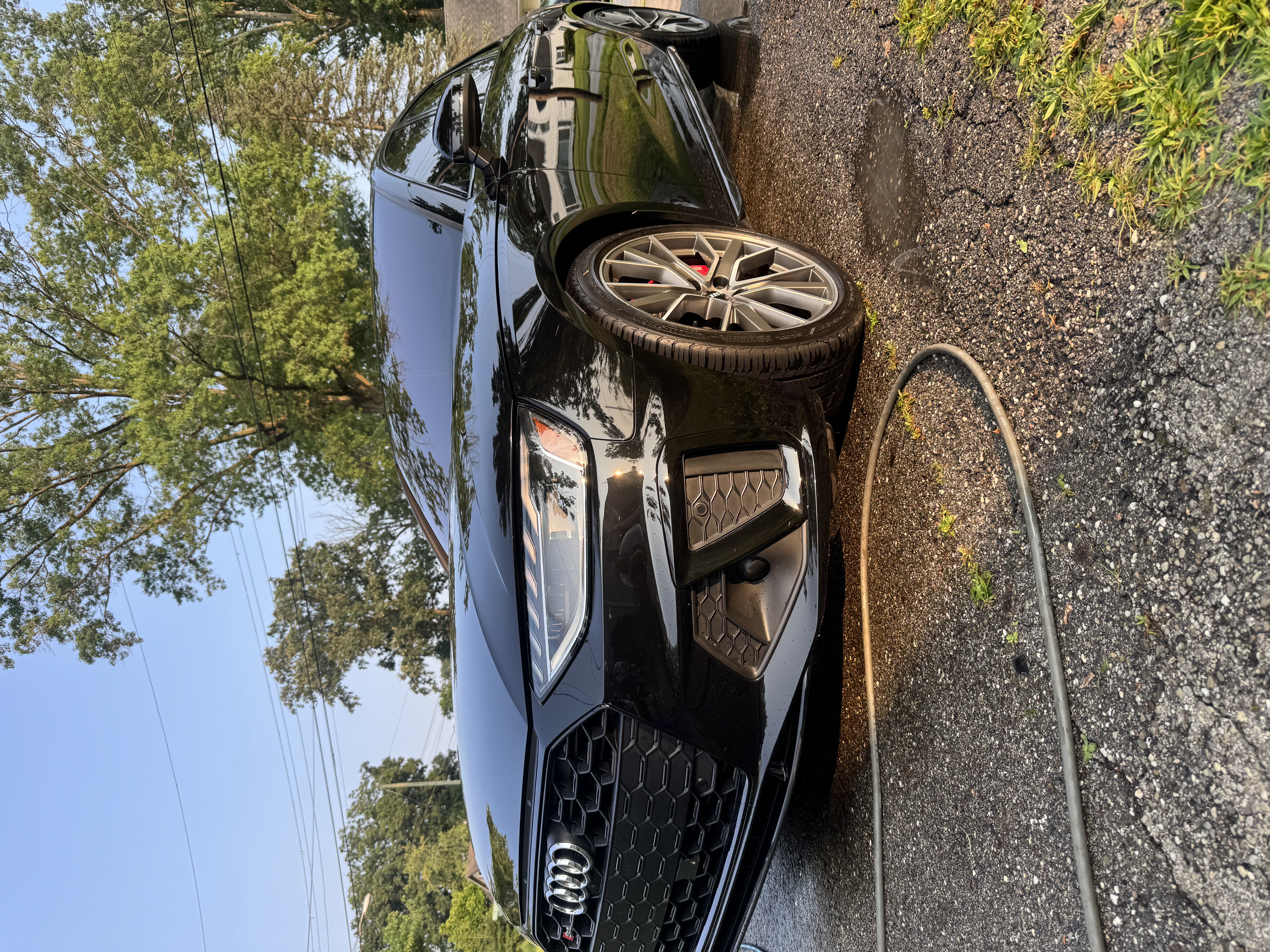
Chapter 01
What a clay bar actually is
A clay bar is a soft, malleable resin compound designed to glide across lubricated paint and lift contaminants embedded in the clear coat. Even on a freshly washed car, your paint collects industrial fallout, brake dust, tree sap, rail dust, and overspray that physically bond to the surface. Soap can't dissolve them. A clay bar shears them off mechanically without scratching, when done correctly.
Chapter 02
Why it matters
- Paint that feels rough is paint that's contaminated — it dulls reflections and traps dirt faster.
- Wax, sealants, and ceramic coatings only bond properly to clean, smooth paint.
- Removing bonded contaminants prevents long-term staining and clear coat failure.
- After claying, paint feels like glass and reflections sharpen up immediately.
Chapter 03
How we do it
We start with a thorough two-bucket wash and iron decontamination spray. The car is then kept lubricated with a quick-detail spray as we work the clay across each panel in straight lines, kneading it frequently so contaminants don't get reintroduced to the paint. Once a panel feels glass-smooth, it's wiped down and the next panel begins. After the entire vehicle is decontaminated, we follow up with a wax, sealant, or ceramic to lock in that smooth, protected finish.
Chapter 04
How often should you clay your car?
For most daily drivers, once or twice a year is plenty — usually as part of a full detail or before any new layer of protection goes on. Vehicles parked outside under trees, near construction sites, or close to railroads may benefit from more frequent treatments.